24/7 Emergency Line: 954-479-2040


13 Expert Tips for Handling Car Break Down on Busy Roads
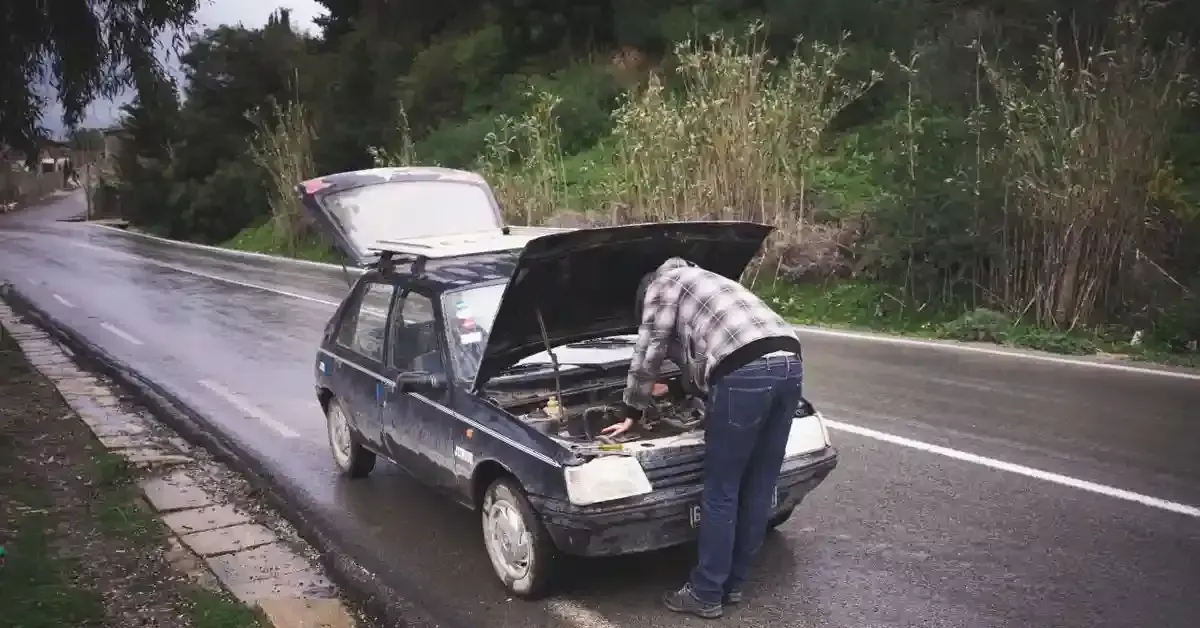
A car breakdown on a busy road is one of the most dangerous situations a driver faces. Traffic moves fast. Visibility is limited. Other drivers are distracted. The decisions you make in the first 60 seconds determine whether the situation stays manageable or turns into something far worse. This guide covers every step from the moment your vehicle starts failing to the point a tow truck arrives — so you know exactly what to do before it happens to you.
What Makes a Breakdown on a Busy Road Different?
A car breakdown in a quiet parking lot is an inconvenience. A breakdown on a busy road is a safety emergency. The difference is exposure. Every second your vehicle sits in or near moving traffic, the risk of a secondary accident increases.
Highway breakdowns carry the highest risk. Drivers traveling at 65–70 mph have limited reaction time to a stopped or slow-moving vehicle ahead. A vehicle partially in a travel lane can cause a chain-reaction collision within seconds.
Understanding that risk changes how you respond. Every action you take should prioritize getting yourself and your vehicle out of the path of traffic first. Everything else comes second.
What to Do If Your Car Breaks Down On A Busy Road or Highway?
If your car breaks down on a busy road or highway, just relax and follow the tips below to effectively handle the situation.
Tip 1: Stay Calm
The instinct in a breakdown moment is to panic. Panic leads to poor decisions — slamming on the brakes in fast traffic, cutting across lanes without checking mirrors, or stopping in a dangerous position without assessing alternatives.
Take one breath. Assess your surroundings in the two seconds you have. Where is the nearest safe exit? Is there a shoulder? Is there an off-ramp ahead? Is there a gap in traffic that allows a lane change?
Calm, deliberate movement is safer than reactive movement. Other drivers respond better to predictable lane changes and gradual deceleration than to sudden stops and erratic steering.
Tip 2: Activate Hazard Lights
The moment you suspect a problem, activate your hazard lights. Do not wait until you have confirmed the issue. Do not wait until you have stopped. Turn them on now.
Hazard lights communicate one message to every driver behind you: something is wrong with this vehicle. That message gives drivers behind you time to create distance, change lanes, and prepare for a slowing or stopped vehicle ahead.
In most US states, activating hazard lights while moving on a highway is legal and recommended during slow traffic or emergencies. On a busy road during a breakdown, they are not optional.
Tip 3: Reduce Speed Gradually
Do not brake hard unless a collision is imminent. Hard braking on a busy road with vehicles traveling close behind you creates a rear-end collision risk.
Take your foot off the accelerator first. Let the vehicle slow naturally. Apply the brakes gently and progressively. If you drive a manual transmission, downshift to assist engine braking before applying the brakes.
Gradual deceleration gives drivers behind you time to react. It keeps your vehicle stable. It reduces the risk of a loss-of-control skid if the breakdown involves a tire failure or brake problem.
Tip 4: Exit the Travel Lane
Your priority is to get the vehicle out of the travel lane. Every second in a moving traffic lane is a second of unnecessary exposure.
Signal right. Check your mirrors. Move toward the right shoulder as smoothly and quickly as the traffic situation allows. If an exit ramp is visible ahead and you can reach it safely, take it. A vehicle stopped on an exit ramp is far safer than one on a highway shoulder.
If the vehicle loses power and cannot accelerate, use whatever momentum remains to steer as far right as possible. A vehicle on the edge of the shoulder is better than one in the travel lane, even if the position is not ideal.
Never stop in the center lane or median unless the vehicle physically cannot move further. Never exit the vehicle while it is in a travel lane.
Tip 5: Pull Away from Main Road
Getting to the shoulder is step one. Getting as far onto the shoulder as possible is step two.
A vehicle stopped with its left wheels still in the travel lane is partially in traffic. Aim to get all four wheels fully off the road surface. Pull as far right as the shoulder width and terrain allow.
If a barrier, guardrail, or vegetation stops you from moving further right, that position is your stop point. Turn your wheels toward the right so that if the vehicle rolls, it moves away from traffic rather than back into the lane.
On surface streets with no shoulder, look for a side street, driveway, parking lot, or any paved area away from the main road. A convenience store parking lot 100 feet ahead is a far better stop than the main road.
Tip 6: Turn Wheels Away from Traffic
Once stopped, turn the steering wheel so the front wheels angle away from the travel lane. On a right shoulder, turn the wheels to the right.
This is a simple precaution with an important purpose. If another vehicle strikes your stopped car from behind, the impact pushes your vehicle away from traffic rather than back into the lane where it creates a further hazard.
Apply the parking brake after positioning the wheels. On a flat surface, leaving the vehicle in park with the parking brake applied adds a second layer of security against movement.
Tip 7: Use Road Flares or Reflective Triangles
Hazard lights are essential. Flares and reflective triangles add an additional layer of visibility that extends the warning zone behind your vehicle.
Place reflective triangles or flares at three positions:
First: 10 feet directly behind your vehicle
Second: 100 feet behind your vehicle
Third: 200–300 feet behind your vehicle in the direction of approaching traffic
At night, road flares are more visible than reflective triangles. Keep both in your emergency kit. In heavy rain, LED road flares outperform standard flares because they stay lit in wet conditions.
Tip 8: Stay Inside Your Vehicle
This is one of the most misunderstood breakdown behaviors. Many drivers get out of the vehicle immediately and stand near it. That instinct is dangerous.
A stationary vehicle on a shoulder offers structural protection. A person standing near a vehicle on a busy road does not. A distracted or drowsy driver who drifts onto the shoulder will impact a standing person before they impact the vehicle.
Stay inside the vehicle with your seatbelt fastened. Keep your hazard lights running. Make your calls from inside the car. Wait for help from inside the car. The exception is fire or smoke from the engine compartment. If the vehicle shows signs of fire, exit immediately and move away from the vehicle on the side away from traffic. Move up an embankment or behind a barrier if one is available.
Tip 9: Exit from Passenger Side
If you must exit the vehicle — to place warning devices, to check a tire, or because the vehicle is in an unsafe position — always exit from the passenger side.
The passenger side faces away from traffic on a right shoulder stop. Exiting from the driver side puts you directly in the path of vehicles that may drift onto the shoulder.
Open the passenger door, exit, and stay as close to the vehicle as possible or move completely off the road to a safe area behind a barrier, up a bank, or onto a sidewalk if one exists.
Never walk along the shoulder toward oncoming traffic to reach an exit or service station. Stay with the vehicle.
Tip 10: Call for Help
Once you are in a safe position, make your calls. Do not attempt to diagnose the vehicle, change a tire in an unsafe location, or push the vehicle before calling for help.
Call 911 first if the breakdown involves an accident, injury, fire, or if the vehicle is in a position that creates an immediate hazard for other drivers. Law enforcement can close lanes, redirect traffic, and manage the scene while you wait.
Call a reliable tow truck company for mechanical breakdowns, flat tires without a safe change option, vehicles that won't start, or any situation where the vehicle cannot be moved safely under its own power.
Call roadside assistance through your insurance provider, AAA membership, or credit card benefit if your breakdown is a jump start, lockout, or fuel delivery situation that can be resolved at the roadside.
Tip 11: Stay on Line with Dispatcher
After calling for help, follow the dispatcher's instructions. Stay on the line if the dispatcher asks you to. Dispatchers gather information that helps them send the right equipment and communicate arrival time accurately.
Provide the following details clearly:
Your exact location
The make, model, and color of your vehicle
What the vehicle is doing or not doing
Whether the vehicle is fully off the road or partially in a travel lane
Whether anyone is injured
Current weather and road conditions
Tip 12: Make Yourself Visible to Rescuers
A tow truck operator looking for a disabled vehicle on a busy highway needs to identify your vehicle quickly. Help them find you.
If it is safe to do so, stand on the far side of your vehicle away from traffic where the operator can see you as they approach. Wave your arm or a brightly colored item to draw attention from a distance.
At night, use your phone's flashlight to signal. If you have a high-visibility vest in your emergency kit, put it on before exiting the vehicle.
Do not walk toward the tow truck as it approaches. Stay in your position and let the operator pull up safely.
Tip 13: Manage Passengers Safely
If other passengers are in the vehicle, their safety is your first responsibility after stopping.
Keep children and elderly passengers inside the vehicle with seatbelts fastened unless the vehicle is in immediate danger from fire or an accident. Children exiting a vehicle near highway traffic face serious injury risk from passing vehicles and from the unpredictability of their own movement.
If passengers must exit, move them out from the passenger side and direct them immediately up a bank, behind a barrier, or as far from the road as the terrain allows. Keep them together and away from the vehicle's rear, which is the most likely point of impact if a rear-end collision occurs.
Tip 13: Manage Passengers Safely
If other passengers are in the vehicle, their safety is your first responsibility after stopping.
Keep children and elderly passengers inside the vehicle with seatbelts fastened unless the vehicle is in immediate danger from fire or an accident. Children exiting a vehicle near highway traffic face serious injury risk from passing vehicles and from the unpredictability of their own movement.
If passengers must exit, move them out from the passenger side and direct them immediately up a bank, behind a barrier, or as far from the road as the terrain allows. Keep them together and away from the vehicle's rear, which is the most likely point of impact if a rear-end collision occurs.
Can a Car That Won't Start Need a Tow Truck?
Yes, a car that won't start may need a tow truck. If the issue is simply a dead battery, a quick jump-start from roadside assistance is usually enough to get you back on the road. A tow to a repair shop is required for mechanical or electrical failures that cannot be fixed on-site, including:
Starter failure: The car clicks but won't crank.
Alternator failure: The car starts with a jump but dies shortly after.
Ignition/Security faults: The key or push-button fails to engage the system.
Fuel system failure: The engine cranks but cannot get fuel.
What to Do After Tow Truck Arrives?
The tow operator's arrival does not end your responsibilities. A few steps protect you legally and financially after the vehicle is loaded.
Confirm the destination: Tell the operator exactly where you want the vehicle delivered. Confirm the address before the truck moves.
Get a written receipt: Ask for a receipt that includes the operator's name, company name, pickup location, destination, vehicle description, and total charge. This protects you in any billing dispute.
Remove valuables: Take your phone, wallet, documents, and any personal items from the vehicle before it is loaded. Once the vehicle reaches a storage yard, access may be restricted.
Contact your insurance provider: Notify your insurance company as soon as possible after an accident tow or a mechanical breakdown. Many policies cover towing costs or roadside assistance. Start the claim process early.
Document the scene: Before the vehicle is moved, photograph its position, any damage, road conditions, and nearby signage. These images support insurance claims and any legal matter that follows.
What are the Tips to Prevent Vehicle Breakdown?
Most highway breakdowns are preventable. Regular maintenance eliminates the mechanical failures that strand drivers on busy roads.
Monthly checks: Tire pressure, fluid levels, and battery terminal condition take five minutes and catch problems before they become emergencies.
Before long trips: Check tire tread depth, inspect belts and hoses, top off all fluids, test the battery if it is over three years old, and confirm the spare tire holds pressure.
Scheduled service: Follow the manufacturer's maintenance schedule for oil changes, brake inspections, transmission service, and cooling system flushes. Deferred maintenance is the most common cause of unexpected breakdowns.
Know your vehicle's age and mileage: Older vehicles with high mileage carry higher breakdown risk. Budget for proactive component replacement — belts, hoses, battery, tires — before they fail rather than after.
FAQs
What is the first thing I do If my car breaks down on highway?
The first thing to do if your car breaks down on highway is to activate your hazard lights immediately. Do not brake hard. Reduce speed gradually and steer toward the right shoulder. Get as far off the road as possible before stopping. Stay inside the vehicle with your seatbelt fastened and call for help.
Is it safe to change tire on a highway shoulder?
It depends on the shoulder width, traffic speed, time of day, and weather. A narrow shoulder with fast-moving traffic makes a tire change genuinely dangerous. When in doubt, call a tow truck. A flat tire tow costs far less than an injury.
Should I stay in my car during a breakdown?
Yes, you should stay inside with your seatbelt fastened in most situations. A stationary vehicle provides structural protection that a person standing outside does not have. Exit only if there is fire, smoke, or an immediate physical danger inside the vehicle.
How should i signal for help if my phone is dead during a breakdown?
If your phone is dead, use road flares or reflective triangles to signal your position. Raise your hood as a universal distress signal. Tie a brightly colored item to your antenna or door handle. If other vehicles stop to check on you, ask them to call 911 or a tow service on your behalf.
Final Words
A car breakdown on a busy road tests your ability to stay calm and act in the right sequence under pressure. The drivers who handle it best are the ones who prepared before it happened — emergency kit stocked, roadside assistance number saved, and a clear mental plan for the first 60 seconds.
Get off the road. Turn on the hazard lights. Stay inside. Call for help. Everything else follows from those four steps.
Need a tow truck on a busy road in South Florida? Call Baptiste Towing & Transport: 954-479-2040 — Open 24/7 across Broward County, Miami-Dade, and Palm Beach County.
Baptiste Towing & Transport provides 24/7 towing, flatbed transport, vehicle recovery, and roadside assistance across Broward, Miami-Dade, and Palm Beach Counties.
COMPANY
FOLLOW US
© 2026. Baptiste Towing and Transport LLC. All Rights Reserved.