Call Now: (954)-479-2040 for 24/7 Towing


Can Towing Damage Your Vehicle? Causes & How Professional Towing Prevents It
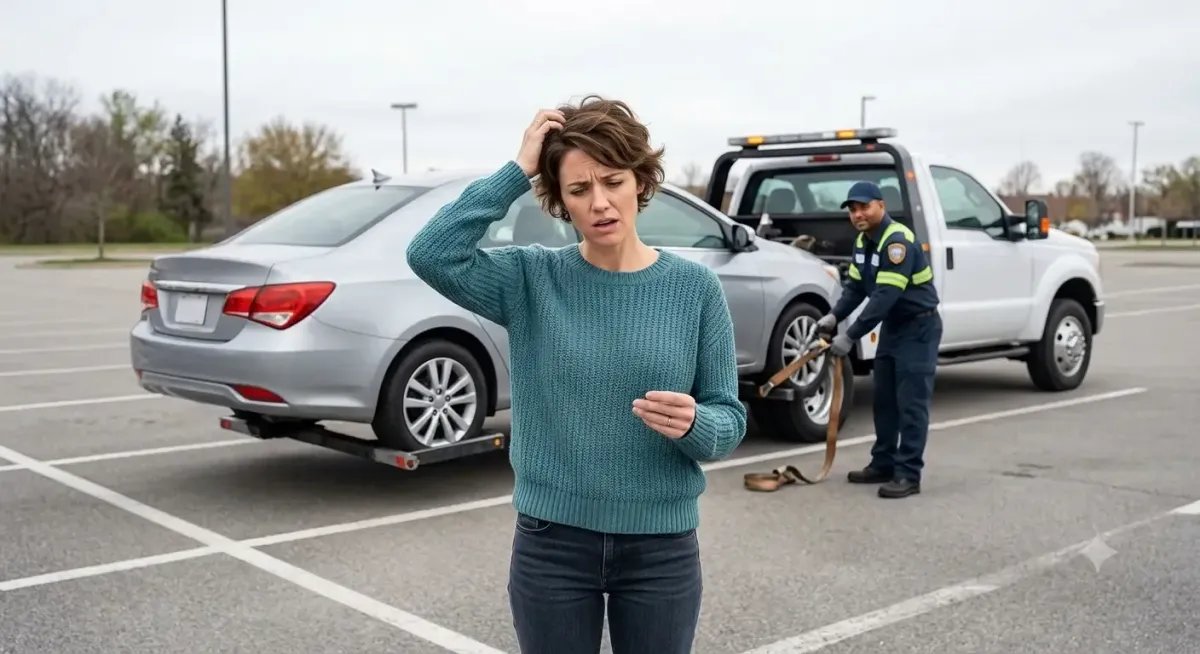
Towing damage is mechanical or cosmetic damage that occurs when a vehicle is lifted, secured, transported, or unloaded using the wrong towing method or improper equipment. Professional towing does not damage a vehicle when the tow truck matches the vehicle's drivetrain, trained operators use the correct attachment points, and the vehicle follows the manufacturer's towing procedures.
Most towing damage results from operator error rather than the towing process itself. Using a wheel-lift truck on an all-wheel-drive vehicle, dragging locked wheels, attaching hooks to the wrong points, or loading a low-clearance vehicle at a steep angle places unnecessary stress on the transmission, suspension, undercarriage, bumpers, and tires.
Professional towing companies reduce these risks by inspecting the vehicle before loading, selecting the correct tow truck, securing the vehicle with wheel straps, balancing the load, and transporting it according to manufacturer recommendations.
Can Towing Really Damage Your Car?
Yes, towing damages a vehicle only when the wrong towing method, improper equipment, or incorrect loading procedure places stress on mechanical or body components. Proper towing protects the vehicle throughout loading, transport, and unloading.
According to Agero's roadside data analytics, U.S. drivers experience roughly 69 million vehicle breakdowns annually, which comes out to about 189,000 breakdowns every single day. With these number, there is some probability of a tow causing damage to a vehicle. That assumption usually comes from seeing vehicles towed incorrectly or hearing stories about transmission failures after improper towing.
Professional towing follows a controlled process that minimizes risk. Before moving the vehicle, an experienced operator evaluates several factors, including:
Vehicle weight
Drivetrain configuration
Transmission type
Ride height
Ground clearance
Accident damage
Tire condition
Steering condition
Parking brake status
Manufacturer towing recommendations
What Parts of A Car Can Be Damaged During Towing?
The parts of a car that can be affected by improper towing are shown in the image below.
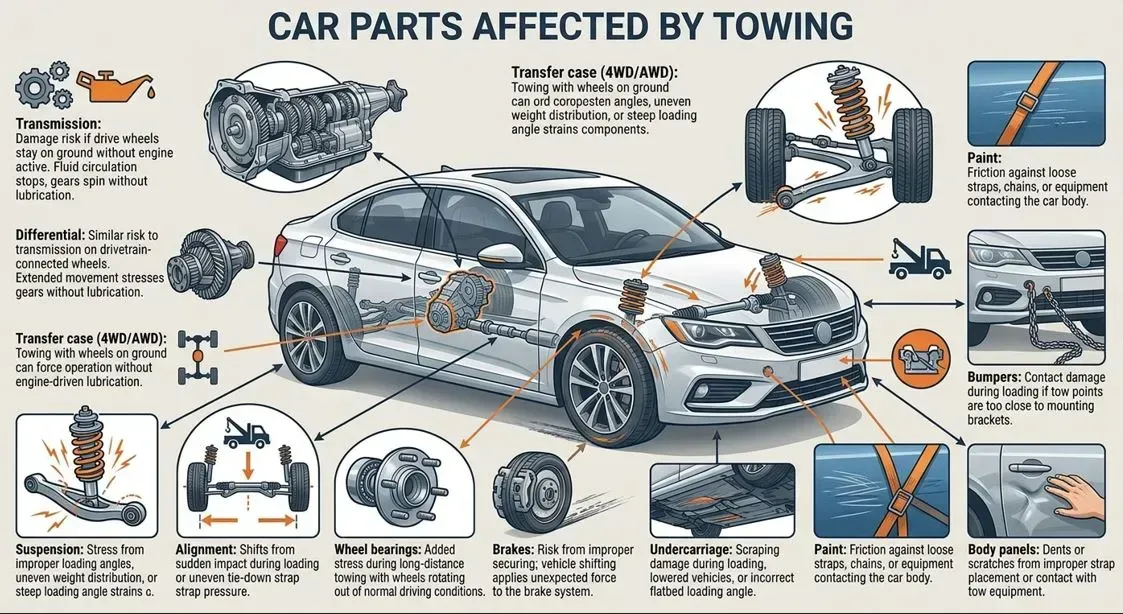
Transmission — Faces damage when drive wheels stay on the ground without the engine running, since fluid circulation stops and gears can spin without lubrication.
Differential — Experiences similar risk to the transmission, since extended movement without lubrication circulation stresses internal gear components.
Transfer case — Found in AWD and 4WD vehicles, this part can be forced to operate without engine-driven lubrication when any wheels stay on the ground during towing.
Suspension — Faces stress from improper loading angles or uneven weight distribution, which strains control arms and mounting points.
Alignment — Shifts when a vehicle experiences sudden impact during loading, or when tie-down straps apply uneven pressure to one side.
Steering — Faces risk mainly during wheel-lift towing, where front wheels stay connected to the steering rack while under tow truck tension.
Wheel bearings — Experience added stress when a vehicle gets towed long distances with wheels rotating outside normal driving conditions.
Brakes — Face risk primarily from improper securing, where a shifting vehicle applies unexpected force to the brake system.
Tires — Can suffer flat spots or sidewall damage when dragged rather than lifted, particularly during accident-scene recovery.
Undercarriage — Risks scraping damage during loading, especially with lowered vehicles or an incorrect loading angle on a flatbed ramp.
Bumpers — Face contact damage during loading if tow points sit too close to the bumper's mounting brackets.
Paint — Gets damaged from friction against loose straps, chains, or equipment that contacts the body during transport.
Body panels — Risk dents or scratches from improper strap placement or contact with tow truck equipment during securing.
How Do Professional Towing Company Prevents Damage?
To prevent damage to a vehilce during tow, a professional tow truck company follows a strict inspection process and right equipment mentioned below.
1. Inspecting Vehicle
The process begins with a full vehicle inspection, documenting existing condition before any equipment attachment. The operator then identifies the vehicle's drivetrain, checking for AWD, 4WD, or standard configuration before selecting a tow truck.
2. Selecting Right Tow Truck
Towing operator analyzed if your vehicle required flatbed or wheel-lift towing. Flatbed towing is a damage-free towing methods used by most towing companies in North America. Once a towing method is chosen, the operator secures tow points designed for towing use, then installs wheel straps to prevent movement during transport.
3. Balance Load & Transport
Load balancing follows strap installation, ensuring even weight distribution across the truck bed or tow arm. Transport happens at controlled speeds appropriate to the vehicle and distance, followed by a safe unloading process that reverses the loading sequence carefully.
How You Should Inspect Your Vehicle After Towing?
A post-tow inspection includes transmission check, fluid leaks, scratches, wheel alignment, dashboard warning lights, and suspension noises, in addition to a general undercarriage check.
To inspect your vehicle after towing, follow the steps below.
Check transmission function first, noting any unusual shifting behavior or delayed response during the first drive after towing. Look underneath the vehicle for fluid leaks, which can indicate a dislodged component or seal damage.
Inspect the body for new scratches, particularly near tow points and bumper areas. Test wheel alignment by driving on a straight, flat road, checking for pulling to one side.
Watch the dashboard for new warning lights, especially transmission or drivetrain indicators. Listen for suspension noises during the first several drives, and complete a visual undercarriage check for scraping or contact damage.
Can Flatbed Towing Prevent Vehicle Damage?
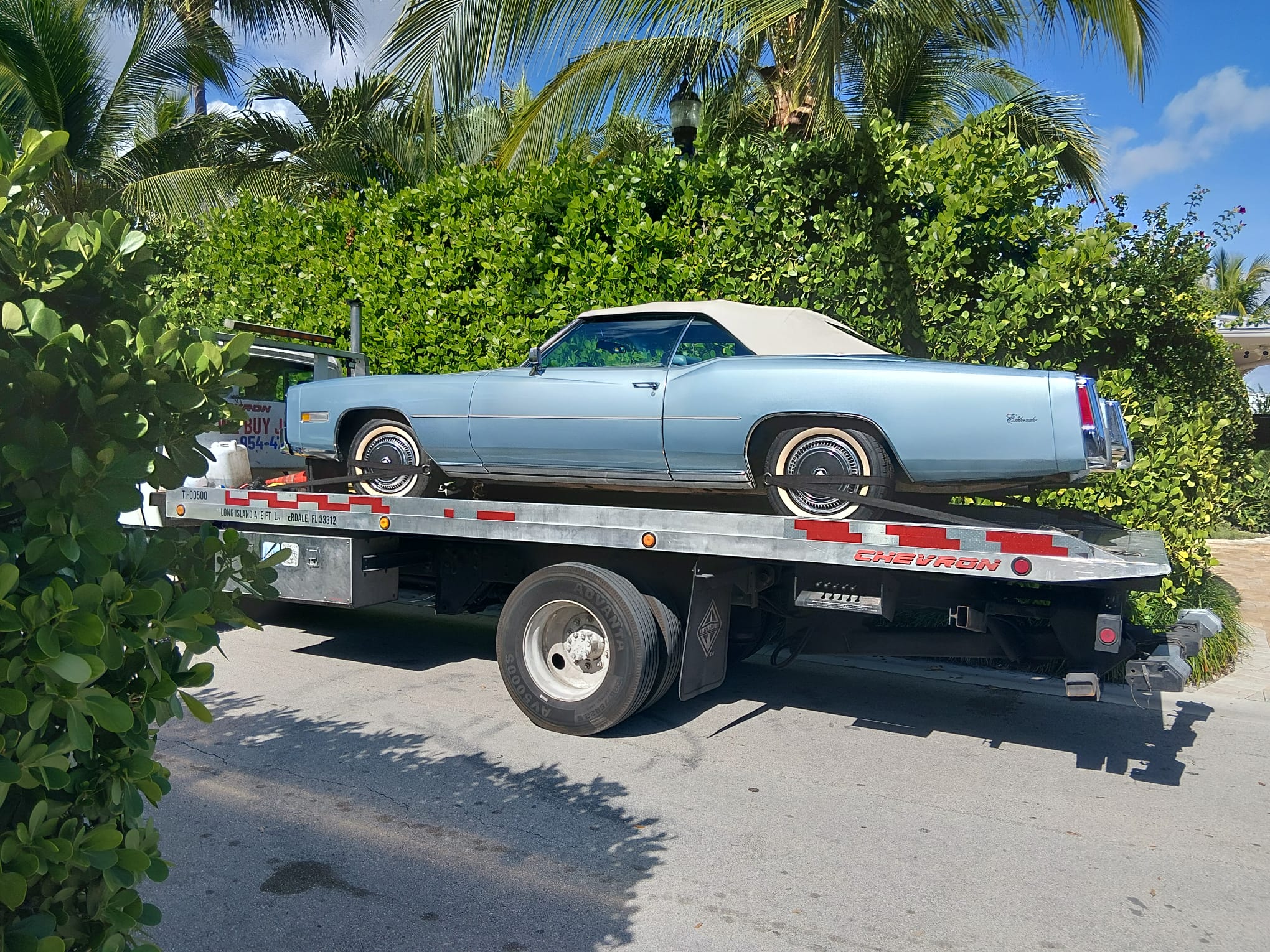
Yes, flatbed towing prevents the majority of towing-related vehicle damage, since it removes all 4 wheels from the road surface during transport. This eliminates drivetrain movement, tire wear, and undercarriage contact with the road entirely.
A hydraulic rollback bed lowers to ground level, allowing a vehicle to load at a controlled angle rather than requiring wheel-lift attachment. This protects suspension geometry and reduces the risk of undercarriage clearance issues during loading.
Flatbed towing protects the transmission and differential by removing engine-off wheel rotation entirely. It protects suspension by distributing weight across the flatbed surface rather than concentrating stress on 2 wheels. It protects tires by eliminating road contact, and protects body panels and undercarriage clearance through a controlled, low-angle loading process.
| Protection Area | Flatbed Towing |
| Transmission safety | Full protection, no wheel rotation |
| Suspension protection | High, weight distributed across bed |
| Tire wear | None, tires never contact road |
| Ground clearance | Not a factor, vehicle fully lifted |
| Luxury vehicles | Recommended method |
| EV compatibility | Required for most models |
| AWD compatibility | Required for most models |
Does Wheel-Lift Towing Damage A Vehicle?
Wheel-lift towing does not damage a vehicle when used on a compatible drivetrain under proper conditions. It becomes unsafe specifically on AWD, 4WD, and certain luxury or lowered vehicles.
Wheel-lift towing works safely on standard front-wheel-drive or rear-wheel-drive vehicles, lifting only the non-drive wheels or drive wheels depending on configuration. This method keeps 2 wheels on the ground while lifting the other 2 fully off the surface.
Wheel-lift towing becomes unsafe on AWD and 4WD vehicles, since all 4 wheels connect through a shared drivetrain system. Lifting only 2 wheels forces the remaining 2 to rotate the entire drivetrain without engine-driven lubrication, risking transfer case and differential damage.
Can Towing Damage An Automatic Transmission Vehicle?
Yes, towing can damage an automatic transmission when drive wheels remain on the ground without the engine running. This risk applies specifically to non-flatbed towing methods on vehicles with the transmission connected to moving wheels.
Fluid circulation depends on the engine running to power the transmission's internal pump. Without this circulation, moving drive wheels can force gears to operate without adequate lubrication, generating heat and friction inside internal components.
This risk increases with distance and speed, since longer towing periods extend the time components operate without proper lubrication. Flatbed towing removes this risk entirely by eliminating wheel rotation during transport.
What Happens If Your Car Gets Damaged During Towing?
Towing company holds responsibility for damage caused by operator negligence or improper equipment use during the tow. This responsibility ties directly to the company's insurance coverage and documented procedures.
Negligence determines liability in most cases, meaning damage resulting from operator error, wrong equipment, or skipped safety steps falls on the towing company. Damage from pre-existing vehicle conditions, unrelated to the tow itself, does not fall under this responsibility.
Documentation protects both parties in a damage dispute. Photos taken before the tow begins establish the vehicle's original condition, while photos taken immediately after establish any new damage. A towing company's insurance policy then covers verified, tow-caused damage through its claims process.
How to Choose A Towing Company With Damage-Free Towing?
To choose a towing company that offers damage-free towing, follow the steps below.
Verify insurance coverage, which protects you financially if damage occurs despite proper procedures.
Check licensing, confirming the company operates legally and meets state-required training standards.
Confirm flatbed availability, especially for AWD, EV, luxury, and lowered vehicles.
Inspect equipment condition, since worn or improper gear increases handling risk during loading and transport.
Ask about operator experience, which affects how carefully your vehicle gets handled from loading through unloading.
Read customer reviews for damage prevention specifically, not just general service speed.
Weigh response time against safety, since fast dispatch should never come at the cost of a proper vehicle inspection.a
Drivers who don't have any prior experience of hiring a tow truck company worry about their vehicle getting damaged. A vehicle may get damaged only when the towing is done wrong via unsafe method or equipment. Hiring a professional and reliable towing company such as Baptiste Towing and Transport offers safer towing experience without any wear or damage to your vehicle.
FAQs About Car Damage During Tow
Can towing ruin my vehicle's transmission?
Towing may damage your vehicle's transmission if an inappropriate methods is used to transport your car. For example, if you own a luxury car and it is being towed using wheel-lift towing instead of flatbed, your vehicle's transmission might get affected.
Is flatbed towing safer option for my car?
Yes, flatbed owing is a safer option for your car as it lifts all the 4-wheel from the ground. This helps in no drivetrain stress or movement throughout the transport journey.
Is towing safer for longer distances?
Longer distance towing is only safe if the vehicle is loaded on a flatbed truck. Using a flatbed method removes all the four wheels, putting zero stress on the vehicle parts.
Does towing scratch paint?
Yes, towing can scratch paint when straps, chains, or equipment make direct contact with body panels during loading or securing.
Does insurance cover towing damage if my vehicle gets damaged?
Yes, a towing company's insurance covers verified damage caused by their operator's negligence or improper equipment use during the tow.
Baptiste Towing & Transport provides 24/7 towing, flatbed transport, vehicle recovery, and roadside assistance across Broward, Miami-Dade, and Palm Beach Counties.
Fort Lauderdale Location
Hollywood Location
Pompano Beach Location
Coconut Creek Location
COMPANY
Major Highways
I-95
I-75
I-595
SR 91
SR 869
© 2026. Baptiste Towing and Transport LLC. All Rights Reserved.